
What You Need to Know About Engine Performance and Fuel Efficiency
For drivers, engine performance and fuel efficiency are important factors in economical vehicle use. If you want to maintain performance while keeping fuel consumption under control, timely maintenance and the correct parts are essential.
Here are the maintenance points to consider when looking after engine performance and fuel efficiency:
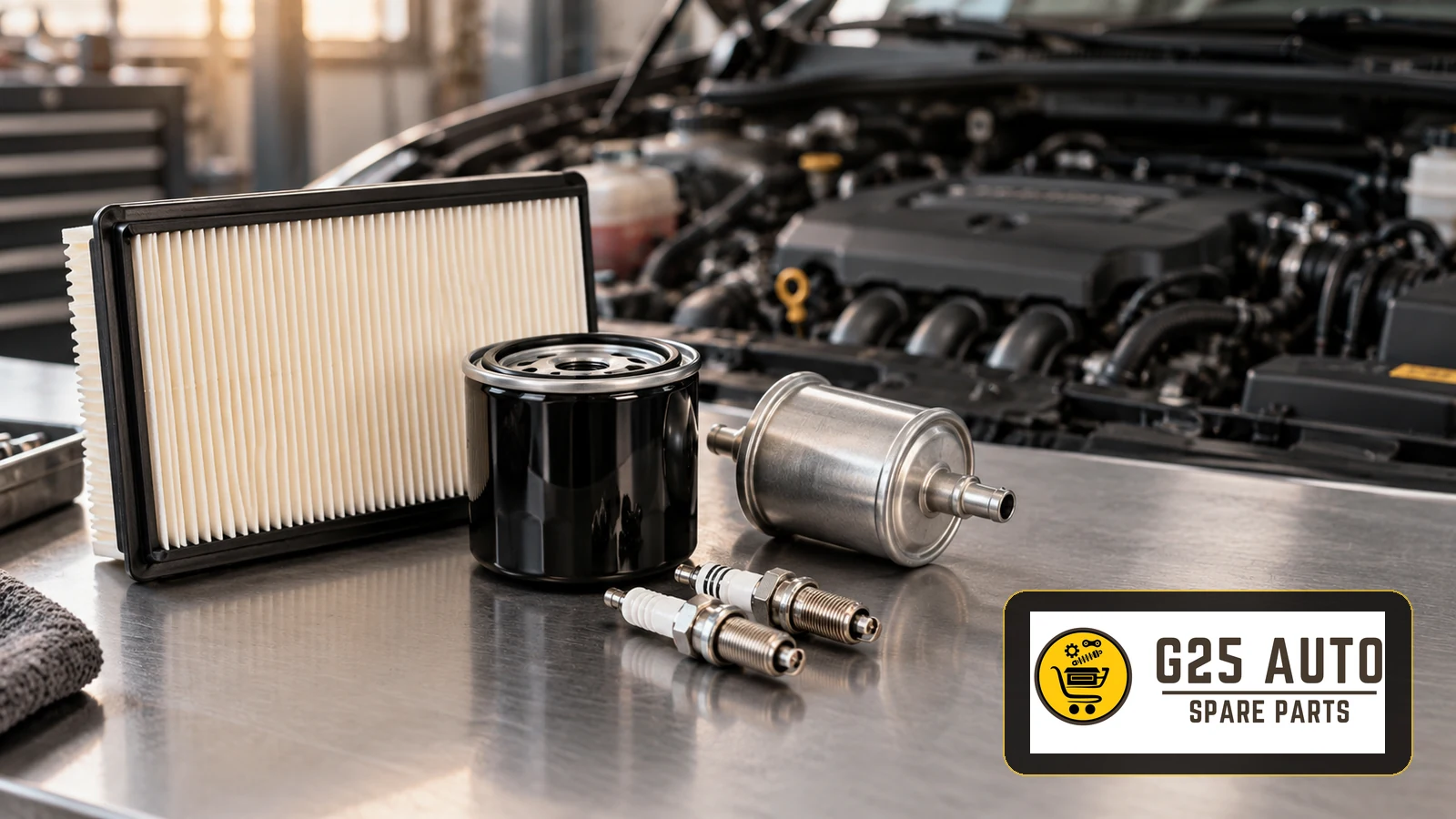
1. Regular Engine Oil and Oil Filter Changes Are Essential
Engine oil reduces friction and helps protect moving parts against wear. Contaminated oil or an insufficient oil level can prevent the engine from working efficiently.
Change the engine oil and oil filter according to the vehicle manufacturer’s maintenance schedule, rather than applying a single mileage interval to every engine.
2. Air Filter Condition Affects Performance
The air filter filters the air entering the engine. A clogged filter can restrict airflow and affect engine performance; its effect on fuel consumption depends on the engine and operating conditions.
Check the filter according to the vehicle’s maintenance requirements and replace it when necessary, instead of treating a general mileage range as a universal rule.
3. Protect the Fuel System with the Fuel Filter
The fuel filter helps supply clean fuel to the engine. A dirty or restricted fuel filter can contribute to a loss of performance and problems with efficient operation.
Follow the applicable vehicle maintenance schedule for replacement, because a general mileage recommendation cannot be applied to every fuel system.
4. Do Not Neglect Spark Plugs and the Ignition System
A properly working ignition system supports efficient combustion. Faulty spark plugs can cause misfiring, weak performance and increased fuel consumption.
5. Check Tyre Pressure and Bearings
One factor outside the engine that affects fuel consumption is tyre pressure. Underinflated tyres increase rolling resistance and can increase the amount of fuel used.
Why Do Original or Compatible Aftermarket Parts Matter?
Incompatible parts can interfere with correct engine operation and efficiency. Choosing parts that are suitable for the vehicle therefore matters for both performance and economical operation.
Conclusion: Small Maintenance Steps and Fuel Economy
Looking after the engine supports reliable operation and can help keep fuel consumption under control. Timely maintenance and correctly selected, suitable parts are the central points; they do not guarantee a particular saving or engine lifespan.